
Healthy gums do not bleed. Not when you brush, not when you floss, not when the hygienist works around them. If yours do, something is inflamed — and inflammation is the mechanism, not the symptom.
Gingivitis and periodontitis are not the same thing
Gingivitis is inflammation of the gum alone. It is common, it is uncomfortable, and it is completely reversible — a few weeks of proper cleaning and a professional scale will resolve it with nothing lost.
Periodontitis is what happens when it is left. The inflammation reaches the bone that holds the tooth, and that bone does not grow back. Treatment stops the loss; it does not undo it. The distinction matters because the window between the two is the whole opportunity.

What to watch for
- Blood in the sink, or pink on the brush.
- Gums that look puffy or shiny rather than firm and stippled.
- Persistent bad breath that brushing does not fix.
- Teeth that look longer than they used to, or gaps opening between front teeth.
- Any tooth that feels different when you bite.
What treatment actually involves
It begins with measurement, not cleaning: a full periodontal chart, six points around every tooth, plus radiographs to see the bone level. That is the baseline everything is judged against later. Then non-surgical therapy — thorough debridement below the gum line, usually over two longer visits — and a reassessment eight to twelve weeks on.

Most cases stabilise there. The ones that do not go on to surgical treatment of the remaining deep sites.
We can stop the disease. We cannot give back the bone it already took, which is why the appointment you make this month is worth more than the one you make next year.
The things that make it worse
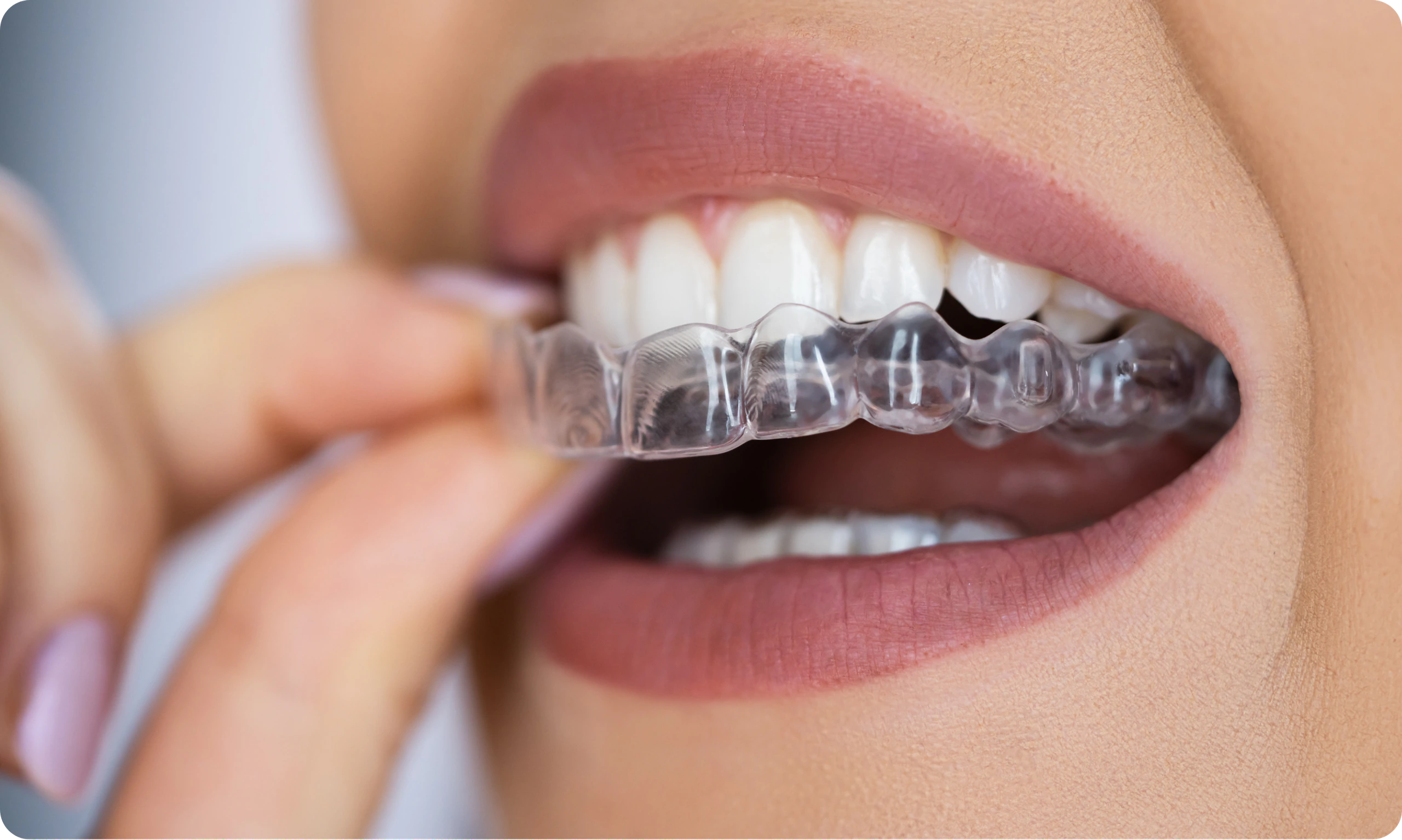
Smoking, above everything — it both accelerates the disease and masks the bleeding that would have warned you. Uncontrolled diabetes runs a two-way relationship with gum disease, each making the other harder to manage. And grinding does not cause periodontitis, but it loads teeth that have already lost support, which is why a night guard often gets made alongside the treatment.
None of that is a reason to postpone an appointment. It is a reason to bring your medical history to it.
Treatments mentioned here
Common questions
No. Bleeding on flossing is a sign of inflammation, not a sign that you are flossing too hard. If it persists beyond a week or two of consistent cleaning, it should be looked at.
Gingivitis can be fully reversed. Periodontitis can be stopped and kept stable long term, but the bone already lost does not regrow on its own — which is why early treatment matters so much.
Every six months for most people, and every three to four months for anyone with a history of periodontitis, who smokes, or who has diabetes.