
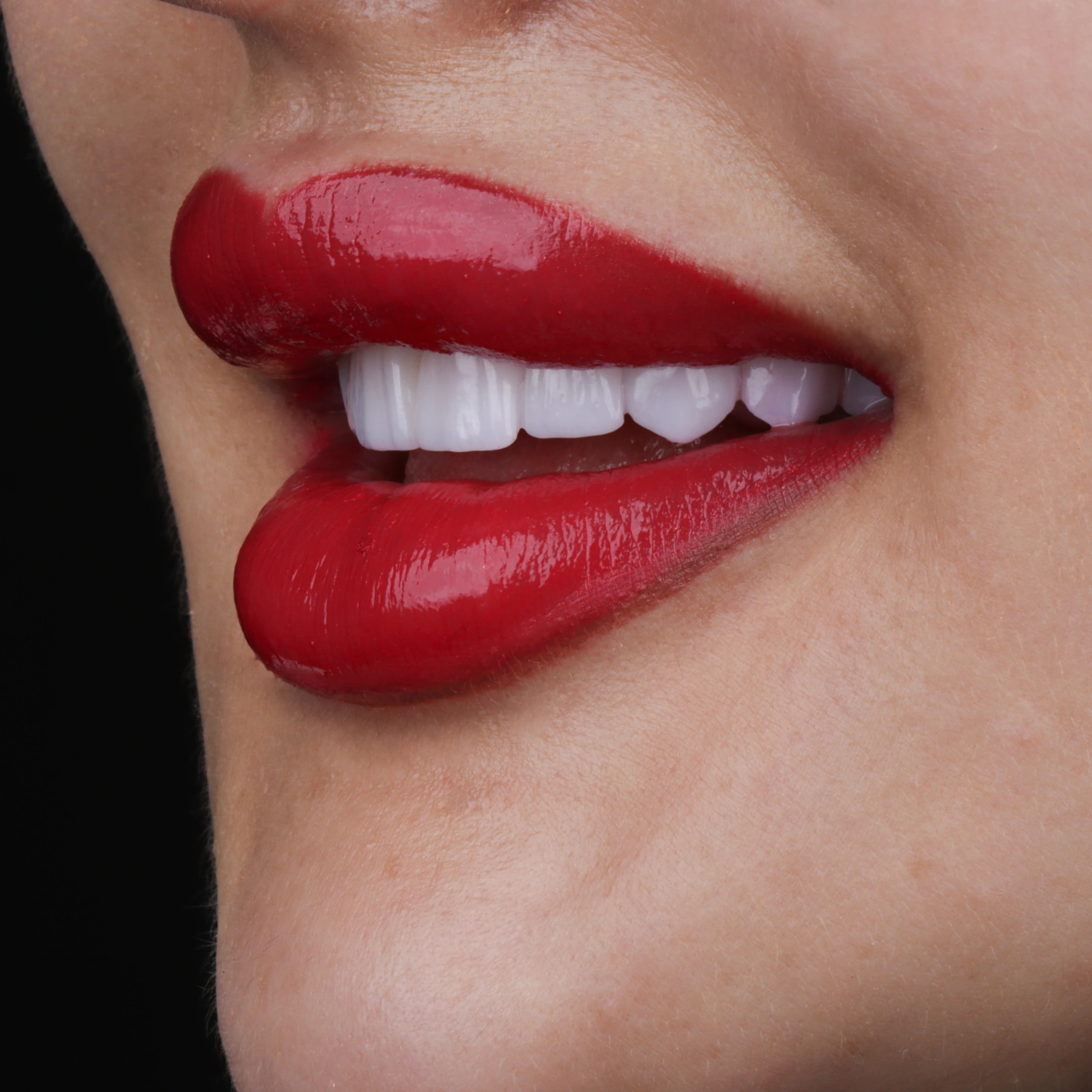
Ten to fifteen years is the honest average, and averages hide everything interesting. We have removed veneers at four years and we have polished veneers at twenty. The material was not usually the difference.
What actually fails
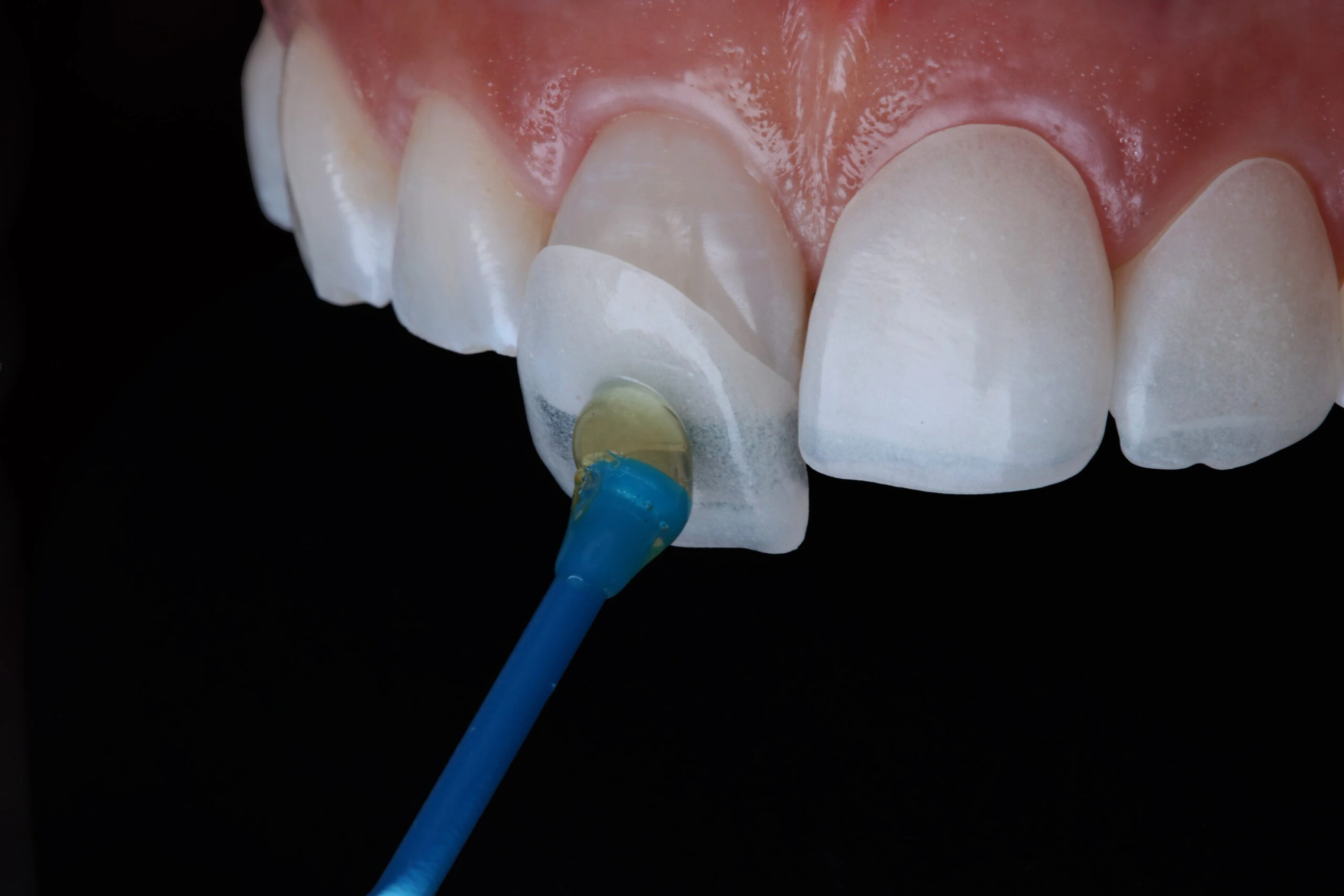
Veneers rarely fail in the middle. They fail at the margin, where the porcelain meets the tooth, and they fail at the bond. Three things drive nearly all of it:
- Grinding and clenching. An unprotected bruxist can chip a veneer in a year.
- Gum health. Inflamed, receding gums expose the margin and the veneer starts to look its age long before it breaks.
- How much tooth was left to bond to. Enamel holds; dentine holds far less well.
Why we design before we prepare
Every case starts as a digital smile design built on your own scan and photographs, then tried in your mouth as a mock-up before a single tooth is touched. You see the shape, the length and the proportion first, and you approve it. It is also the point at which we find out that a case needs orthodontics rather than porcelain — which is a much better thing to discover before preparation than after.

Looking after them
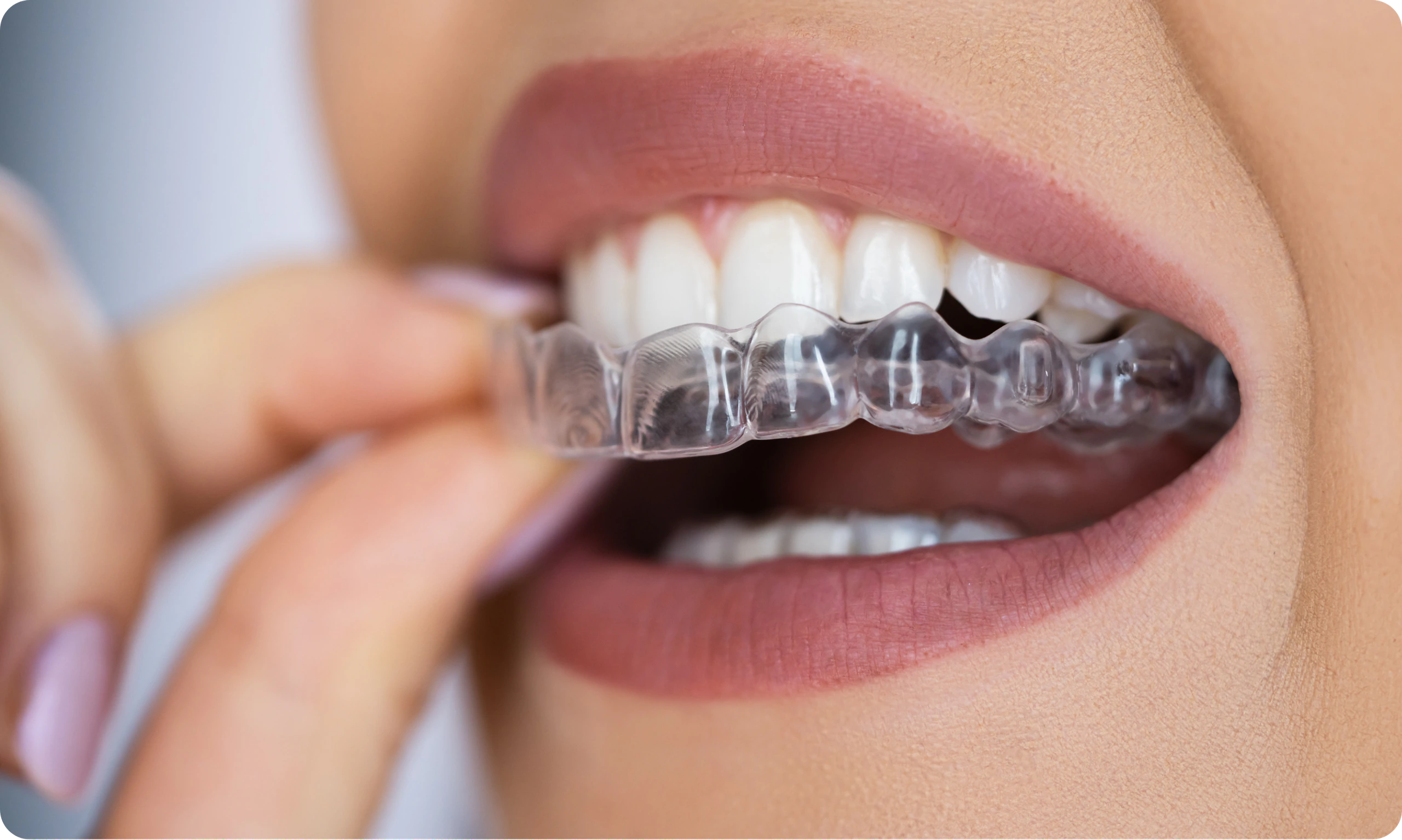
- A night guard if you grind. This is the one instruction that most changes the outcome.
- Hygienist visits on schedule — the margin is a gum problem before it is a porcelain problem.
- No opening packaging, biting nails, or chewing ice. Porcelain is strong in compression and brittle in shear.
- Non-abrasive toothpaste. Whitening pastes dull the glaze over time and will not lighten the veneer anyway.
What happens at the end of their life
Veneers are replaced, not removed and forgotten — the underlying tooth was prepared and needs covering. That is worth understanding before the first one is fitted: this is a commitment to a restored tooth, maintained over decades, rather than a one-off procedure.
A veneer is not a decision you make once. It is a decision you keep.
Treatments mentioned here
Common questions
Porcelain itself does not stain in the way natural enamel does. What discolours over time is the bonding line at the margin, and the natural teeth around the veneers — which is why whitening is normally done before the shade is chosen.
No. The shade is fixed when the veneer is made, which is why we agree the final shade against whitened natural teeth rather than against their current colour.
The tooth is prepared, and that preparation is permanent. A conservative case removes a fraction of a millimetre of enamel; a heavily reduced case removes considerably more. It is the main reason we design and try in before preparing.