
Patients arrive having already decided, and usually having decided on aligners. That is understandable — they are invisible, removable and heavily advertised. But the two systems are not interchangeable, and choosing on appearance alone is how treatment ends up taking eighteen months longer than it needed to.
What each one is actually good at
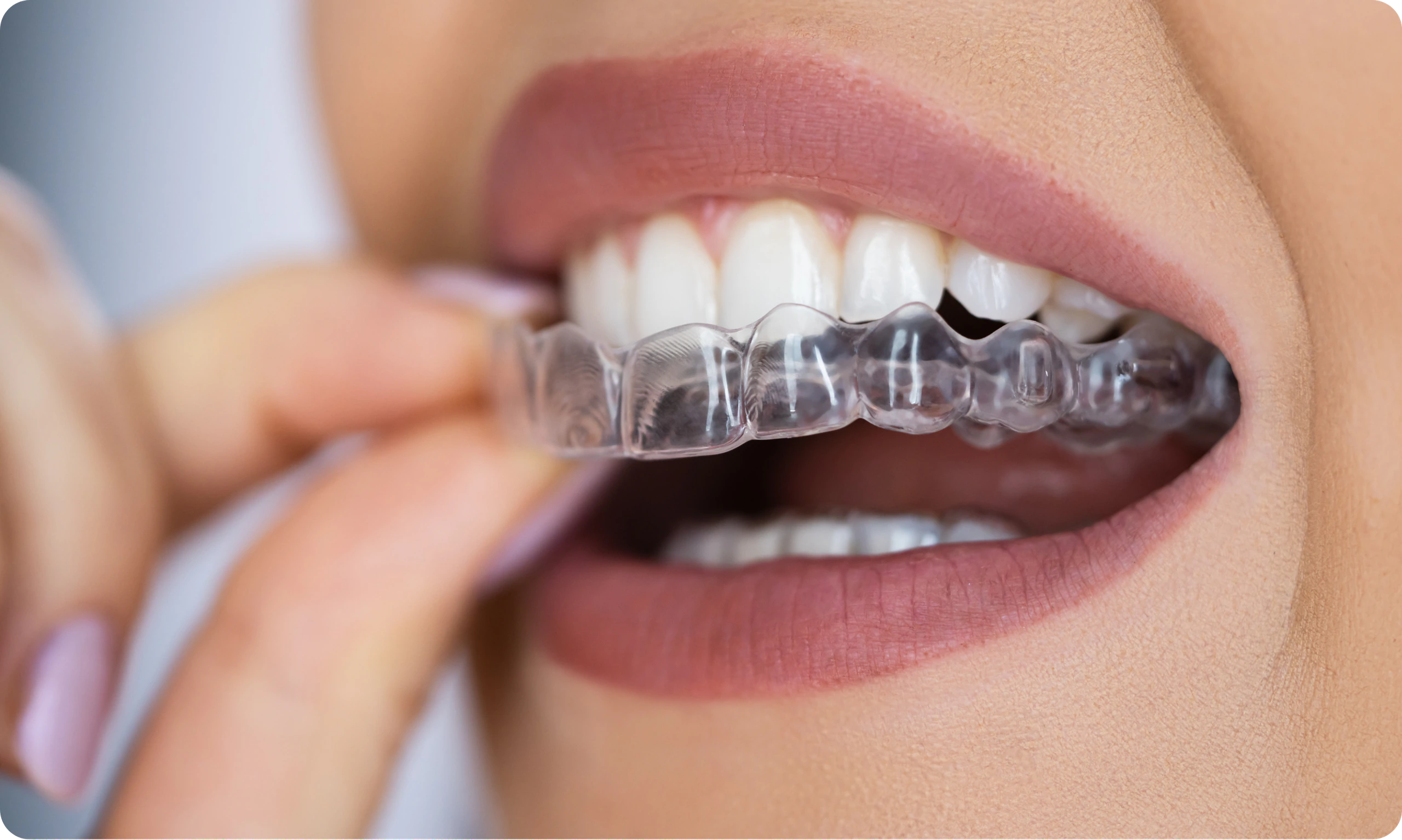
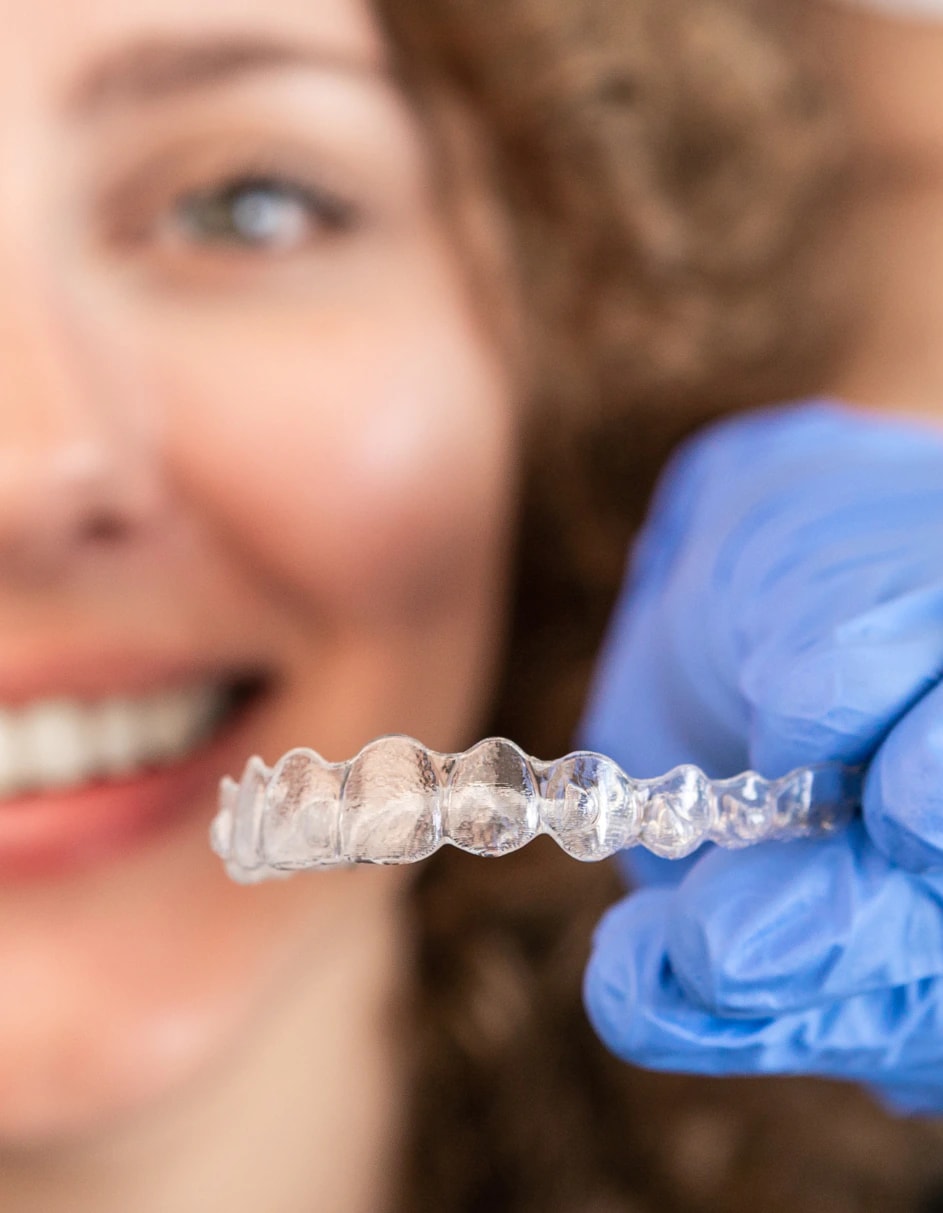
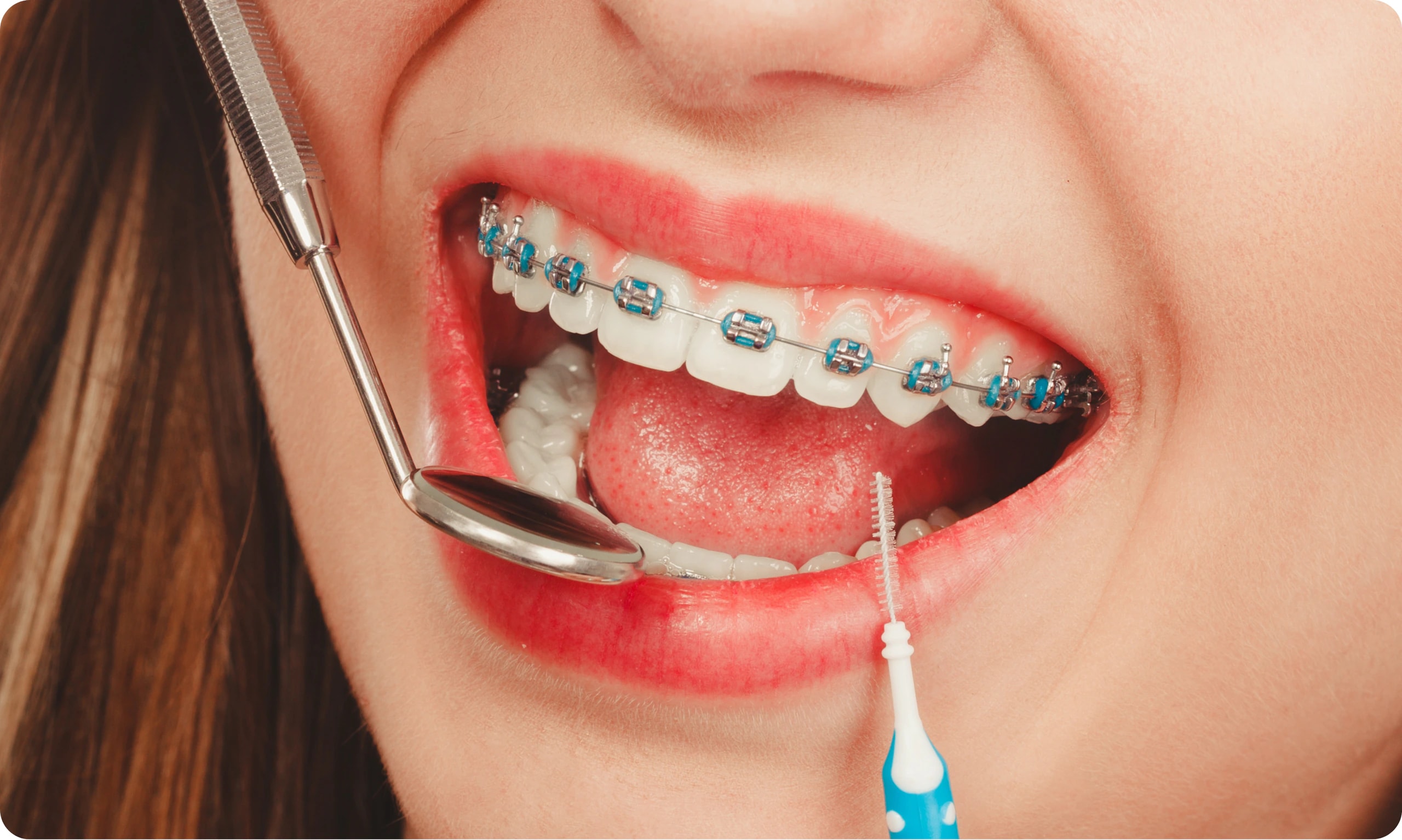
Clear aligners are excellent at tipping and rotating teeth through small, controlled increments, and at closing mild spacing. Fixed braces are better at bodily movement — moving a whole tooth root and crown together — at correcting significant rotations of round teeth, and at anything that needs real force applied in a specific direction over a long period.
- Mild to moderate crowding or spacing: both work; aligners are usually the easier year.
- Severe crowding, or extraction cases needing large space closure: fixed braces, most of the time.
- Rotated canines and premolars: braces have the mechanical advantage.
- Deep bite correction: possible with both, faster and more predictable with fixed appliances.
- Skeletal discrepancies: neither on its own — these need growth modification or surgery in the plan.
The compliance question
Aligners work twenty-two hours a day or they do not work. That is the whole of it. A tray in a pocket is a tray doing nothing, and the treatment plan assumes a rate of movement that simply does not happen at fourteen hours a day. Braces remove the decision — they are working whether you think about them or not.
Time and appointments
For a comparable case, treatment times are closer than the marketing suggests — typically twelve to twenty-four months for either. Aligners need fewer chair visits but more discipline between them. Braces need an adjustment roughly every six weeks but nothing from you in between.
The part everyone skips: retention
Teeth move for the rest of your life. Whichever system straightened them, the result is held by a retainer — usually a fine wire bonded behind the front teeth, plus a removable retainer at night. Treatment that ends without a retention plan is not finished treatment, and relapse in the first year is the most common reason people come back.
If you grind at night, the retainer conversation and the night guard conversation are the same conversation. A bonded wire holds the position; it does not protect the teeth from the load.
The appliance is a year or two. The retainer is the rest of your life. Patients who understand that at the start keep their result.
How we decide
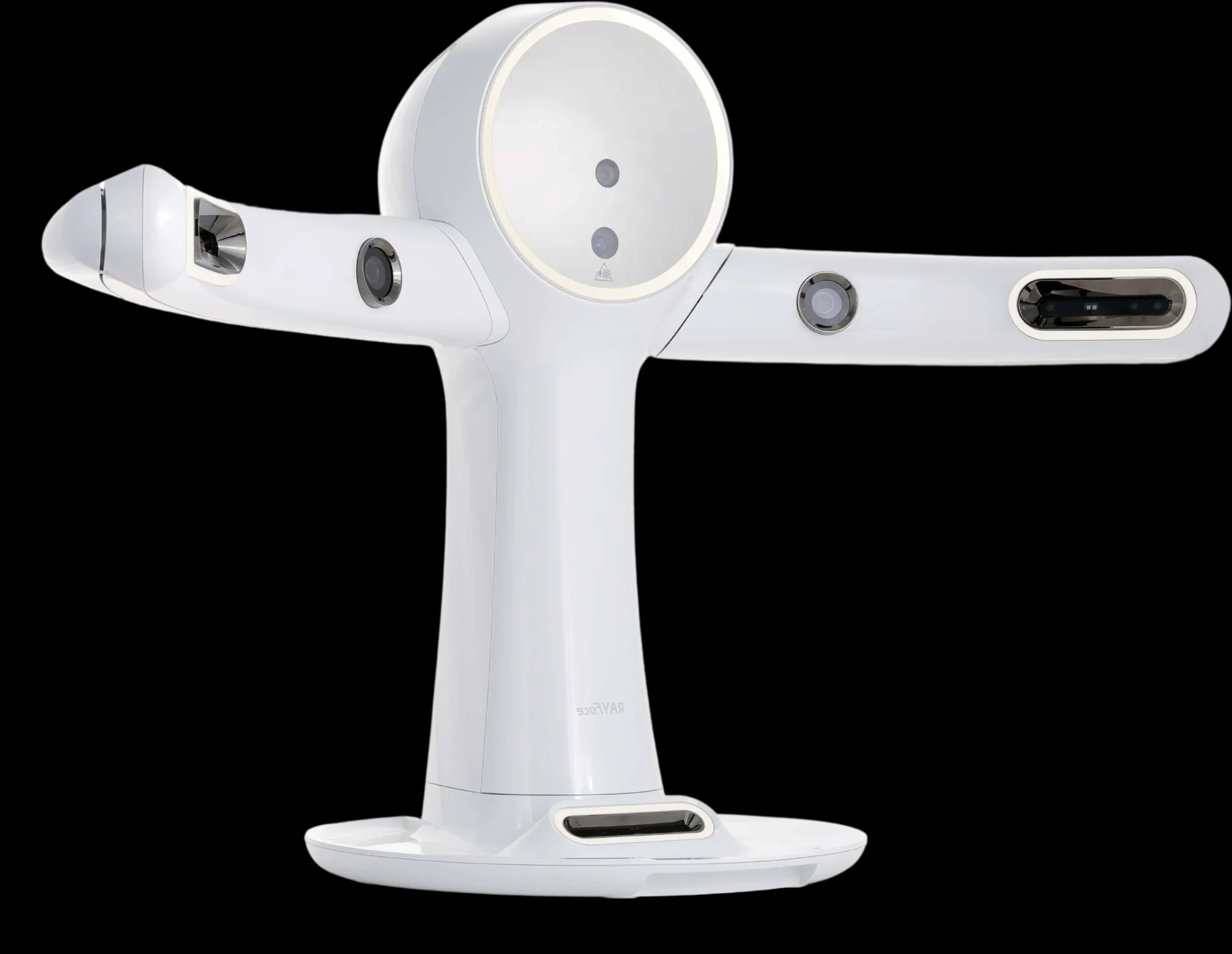
We scan, take a panoramic and a lateral cephalometric radiograph, and measure the case before recommending anything. Where both systems will genuinely reach the same endpoint, the choice is yours and we will say so. Where only one will, we will say that too.
Common questions
Not inherently. For comparable cases the treatment times are similar. Aligner treatment runs late when trays are not worn for the full twenty-two hours a day the plan assumes.
Yes. Tooth movement depends on healthy bone and gums rather than on age. What changes with age is the plan: adult cases more often involve existing crowns, missing teeth or gum treatment that has to be sequenced around.
In practice, yes — nightly for the long term, after an initial full-time period. Teeth drift throughout life whether or not they were ever straightened, and the retainer is what holds the result.