
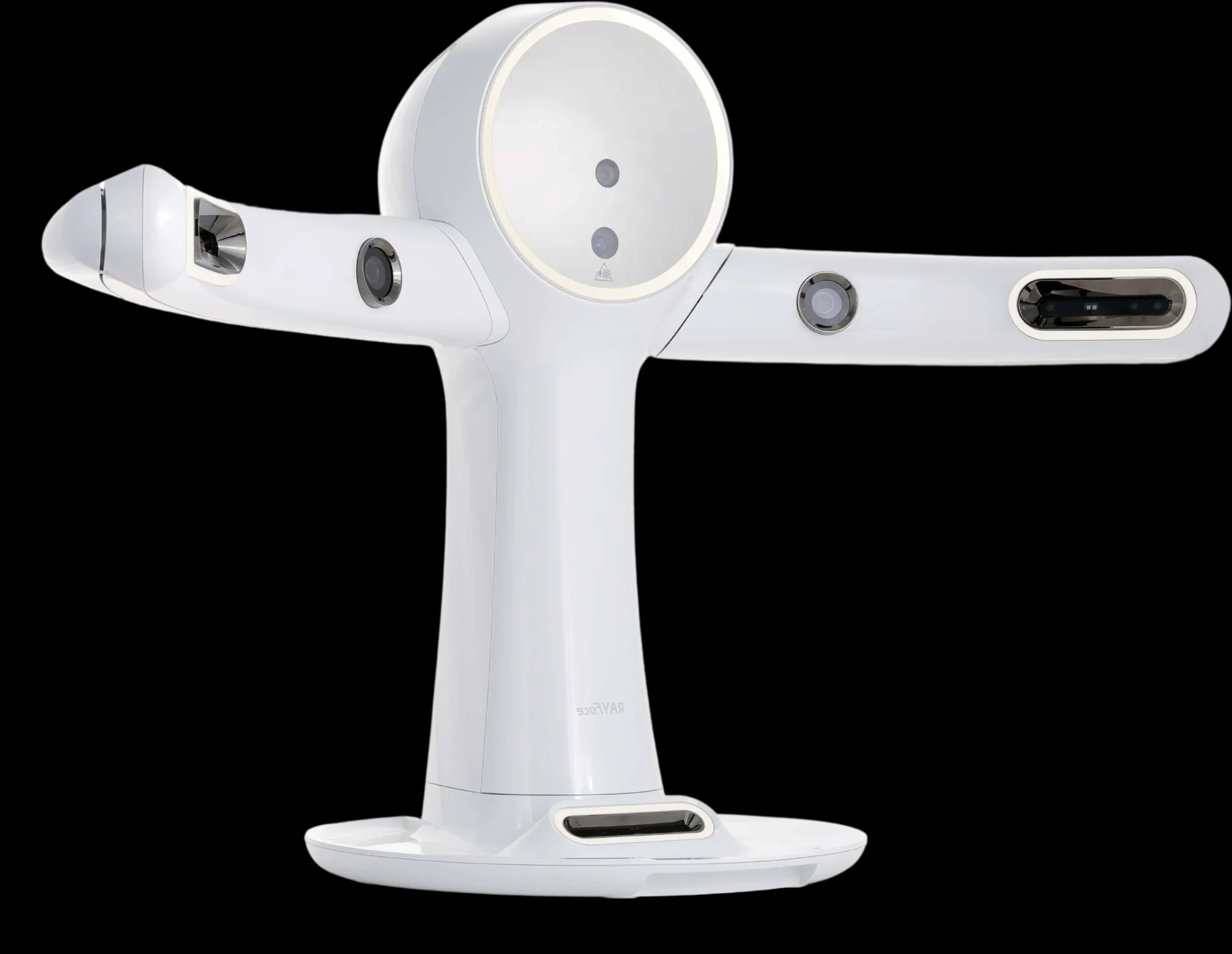
The first thing patients notice about a digital scan is what is missing: the tray, the putty, the five minutes of trying not to gag. That is the part people are grateful for. The reason we changed is a different one.
Impression material moves
A conventional impression is a physical negative of your teeth, and it starts changing the moment it leaves your mouth. It contracts as it sets. It is poured in stone, which expands. It is trimmed, shipped, and handled. Each step is small and each step is a source of error, and by the time a crown is milled against that model the total is no longer negligible.
A scan is a set of coordinates. It does not shrink on the drive to the laboratory.
What we can do with the file
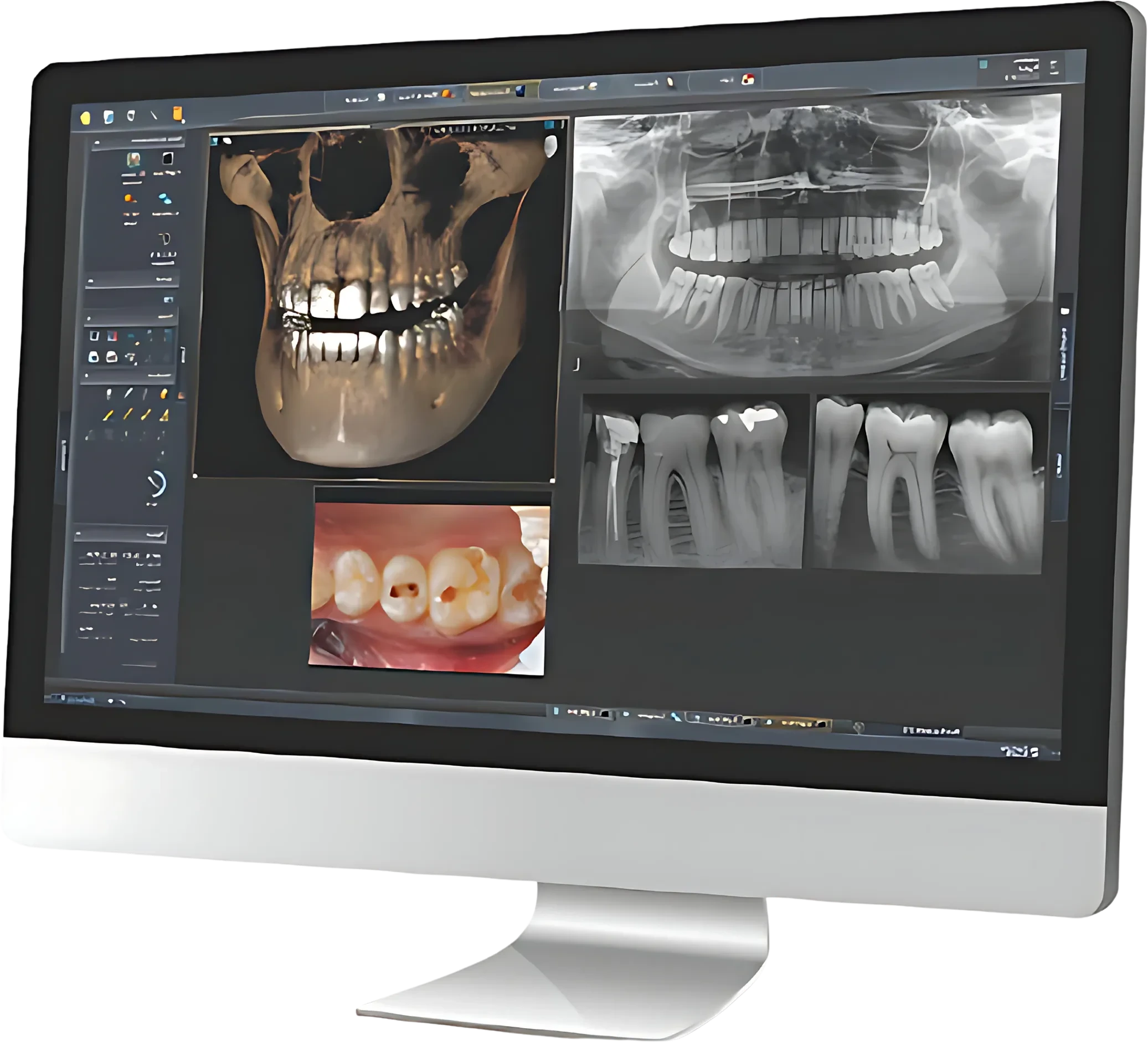
- Overlay the scan on your CBCT, so implant positions are planned against bone and against the finished tooth position at the same time.
- Show you the proposed result on screen, in your own mouth, before treatment starts.
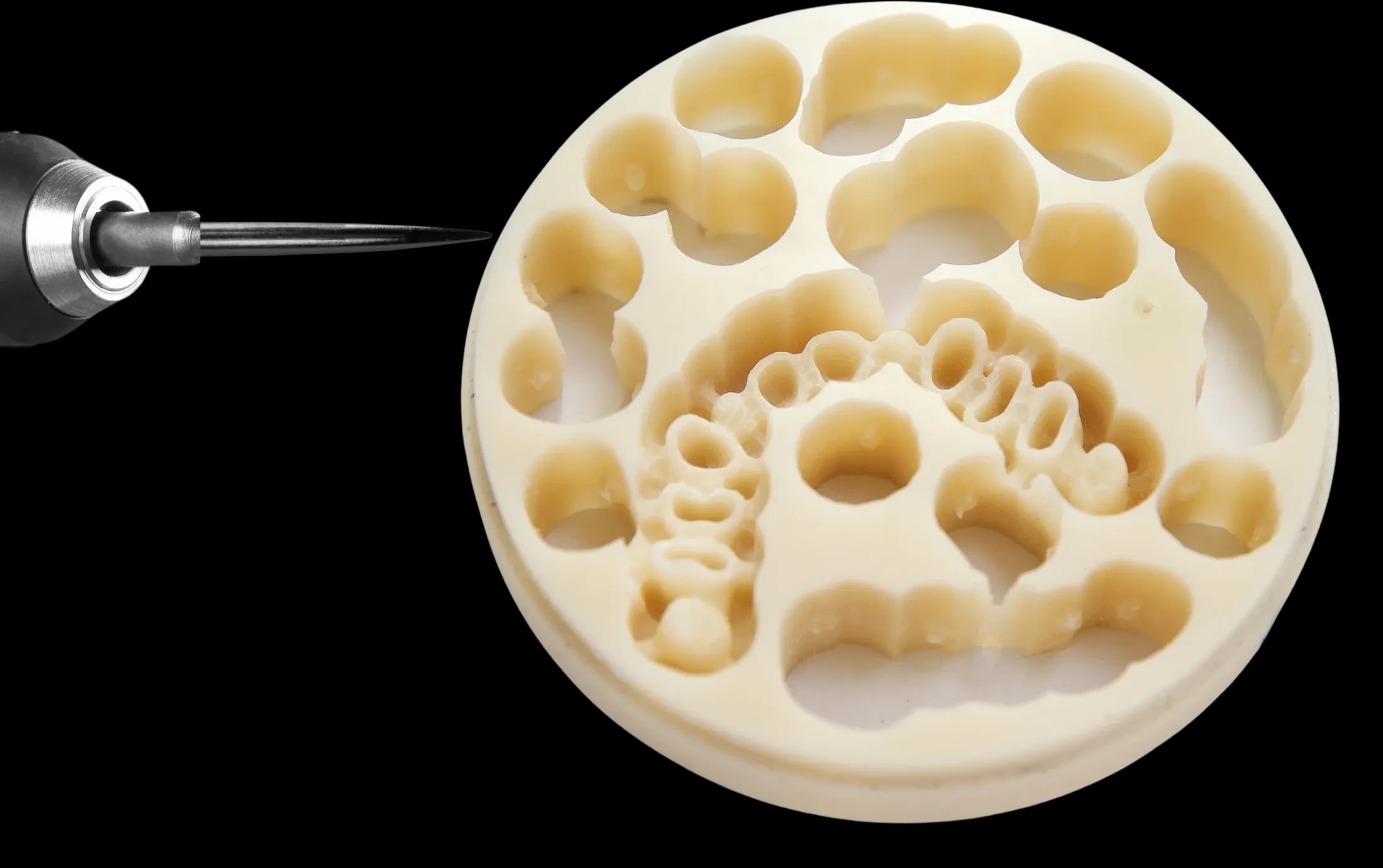
- Send the case to the laboratory in minutes instead of days — which matters when a patient is with us for a week.
- Keep the file. A scan from two years ago tells us exactly how much a worn tooth has worn.
What it is like for you
A wand roughly the size of an electric toothbrush is passed over the teeth while the model builds on the screen beside you. A single arch takes two to three minutes. You can swallow normally, you can pause, and you can watch it happen — most people do.
The best measure of the change is that nobody asks how long it will take any more.
When we still take a conventional impression
Occasionally. Deep subgingival margins with active bleeding are still read more reliably by material than by light, and certain removable prosthetic cases need a functional impression that records tissue under pressure. The tools have not all been replaced — they have been narrowed to what they are genuinely best at.
Treatments mentioned here
Common questions
No. An intraoral scanner is an optical camera — it uses structured light, not X-rays. CBCT imaging is separate, and only taken when the treatment needs it.
For most restorative and orthodontic work, yes — mainly because it eliminates the distortion introduced by material shrinkage, stone expansion and transport. The advantage is largest across full arches.
Two to three minutes per arch, plus a bite scan. You can pause at any point.