
A large share of the full-arch treatment we do is for patients who do not live in Lebanon — from Europe, the Gulf, North America and Australia. It works well, and it works well specifically because the planning happens before anyone gets on a plane.
Before you travel
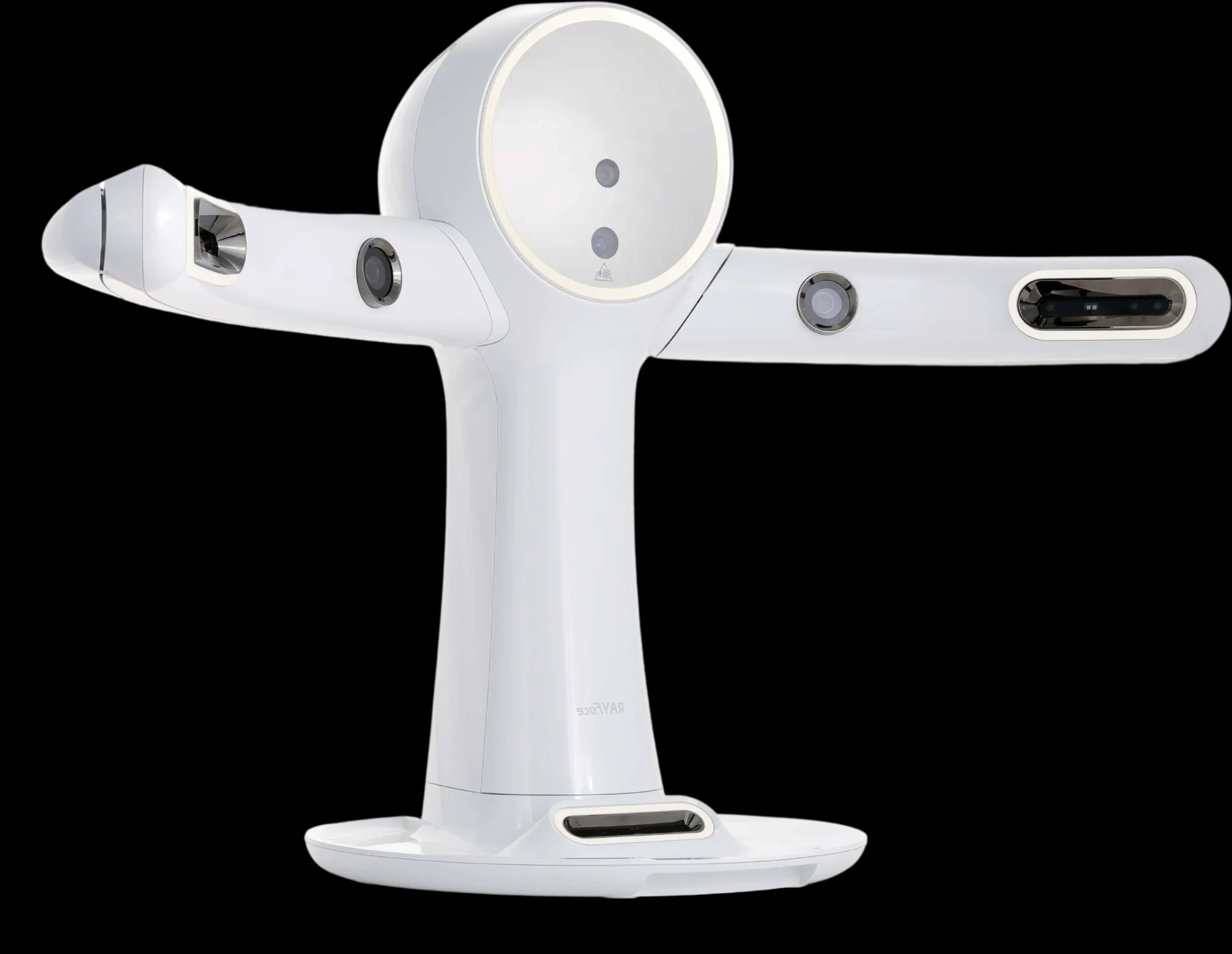
We ask for a recent CBCT scan and clinical photographs. Any dental practice can take these and send them; if you have had a scan in the last twelve months, that is usually enough. From those we can tell you what is treatable, what is not, and roughly what it will cost — before you commit to anything.

- Send your scan, photographs and medical history.
- A video consultation with the surgeon who would treat you — not a coordinator.
- A written plan, with the alternatives and what each one costs.
- Only then, dates.
What a treatment week looks like
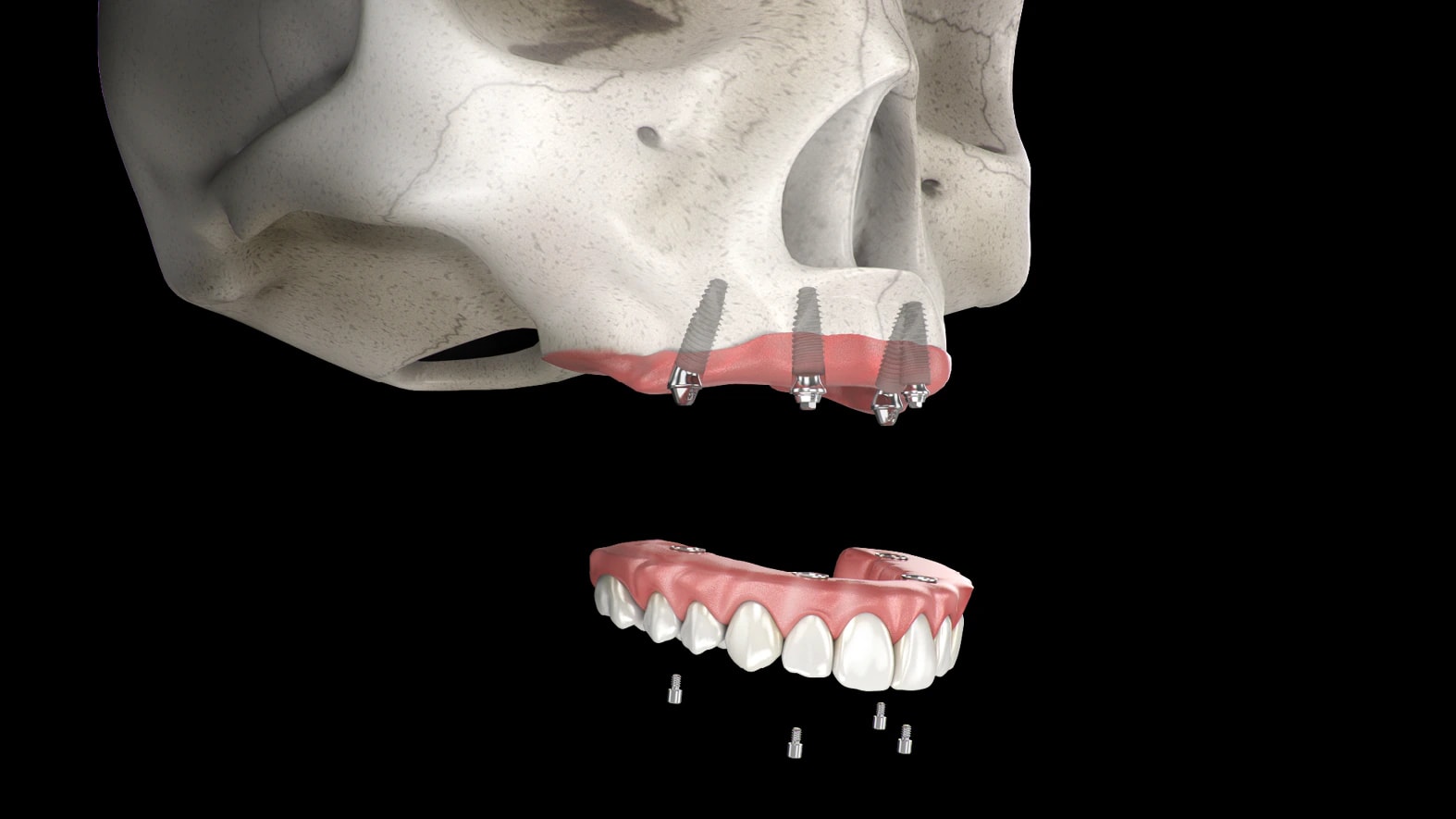
For a full-arch case, plan on seven to ten days in the country. Day one is examination, scanning and final planning. Surgery follows, with the fixed temporary bridge fitted the same day. The remaining days are review appointments — the ones on day two and day seven matter, and they are the reason we ask you not to fly home immediately.
Then you go home with the temporary bridge, which is fixed and functional, and return three to six months later for the final zirconia bridge. That second visit is shorter: typically four to five days.
What we do not do
We do not quote a price without seeing a scan, and we do not compress a full-arch case into three days because a flight is booked. Both are common, both are how patients end up with a bridge that has to be redone at home, and neither is a saving.
The cheapest treatment is the one that is done once.
Aftercare at a distance
You will leave with your scans, your implant records and the exact component references, so any dentist anywhere can work on your case if they need to. That documentation is not a courtesy — it is the difference between a local dentist being able to help you and having to guess.
If you are weighing this up, send the scan first. It costs you nothing, it takes us a day, and it is the only way anyone can answer the question you actually have — which is not what full-arch treatment costs, but what your case needs.
Treatments mentioned here
Common questions
Seven to ten days for a full-arch case, then a shorter second visit of four to five days three to six months later for the final bridge. Single implants and cosmetic cases are usually shorter.
Yes, in writing, once we have seen a recent CBCT scan and photographs. We do not quote without them — a price given without imaging is a guess.
You leave with your full records, scans and component references so any dentist can assist locally, and we stay reachable directly. Where a problem needs us, we arrange the return visit.